


10 Years, 10 Questions: “Discipline Trumps Euphoria,” in conversation with Dr. Christoph Zaborowski
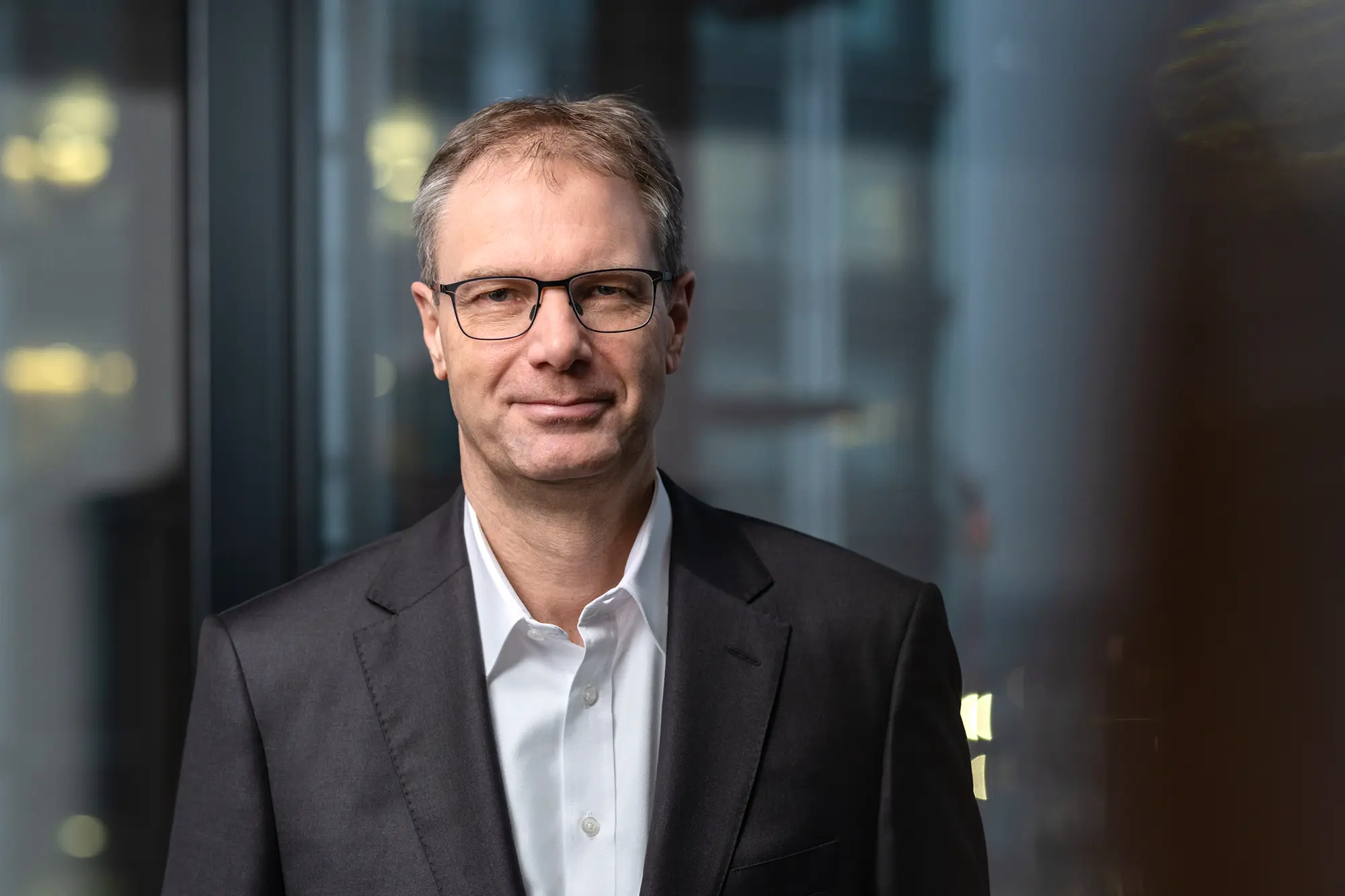
For ten years, Seraina Invest has stood for a clear philosophy: Value is not created during a boom, but through discipline, experience, and the courage to help shape projects from the very beginning. As part of the anniversary series “10 Years, 10 Questions,” we hear from the people who have accompanied Seraina on this journey.
Dr. Christoph Zaborowski is Chairman of the Investment Committee of the Seraina Investment Foundation and a member of the Board of Directors of Seraina Real Estate AG. As the principal owner and Chairman of the Board of Directors of REFL Invest AG, a board member of other companies, and a member of the real estate committee of a large pension fund, he combines the perspective of an entrepreneur with that of an institutional investor. This independent perspective makes his insights particularly valuable. In this interview, he discusses the art of remaining disciplined in overheated markets, genuine value creation as an alternative to mere asset management, and why, in the end, it’s always people who make the difference.
1. As chair of the Investment Committee, you help shape the investment decisions of the Seraina Investment Foundation. What do you look at first when a new project is submitted for review?
Although I have a background in valuation and am certainly more analytically oriented, my initial impression tends to be emotional. Where is the project located, what kind of project is it, and what is the micro-location like? At first, I don’t look at it from an economic perspective, but rather ask myself whether it appeals to me and piques my interest. Then come the analytical considerations: What are the opportunities and risks associated with the location? What is the target return, and are the projected income and costs realistic? As the process continues, we move on to the standard due diligence topics and potential specific risks such as contaminated sites, objections, or the likelihood of obtaining a building permit.
2. Discipline and patience are considered the keys to long-term investment success. When is it most difficult to maintain this discipline?
Overheated markets are the most challenging. On the one hand, investors want to deploy their capital, so portfolio purchases are necessary; on the other hand, prices are rising to dizzying heights. For an investment committee, it’s supposedly easy to either reject everything on the grounds that returns are too low or prices are too high, or to approve everything because investment opportunities are desperately needed. In this phase, discipline is required to examine each asset even more closely for its long-term viability.
3. You serve on the Board of Directors of Seraina Real Estate AG and as Chair of the Investment Committee. What initially convinced you to take on this responsibility?
I’ve been with the Seraina Investment Foundation since its “birth.” For me, it has always been more interesting to accompany and help shape a new development—whether it’s a property, a company, or a project—from the very beginning than to “simply” move into a ready-made home.
4. Looking back on the past few years, what development at Seraina has impressed you the most?
The ability to overcome all difficulties (starting out as a small investment foundation with what was then considered an “exotic” focus on emerging markets, the interest rate turnaround, and geopolitical upheavals) to attract new, motivated employees time and again, create a very pleasant and personal atmosphere, and serve as a reliable partner for investors.
5. You are familiar with the real estate markets in Switzerland and Germany. Where do you see the most exciting opportunities today, and where are the greatest risks?
There are two markets that currently differ fundamentally in terms of market sentiment. In Switzerland, the real estate market is characterized by an overall optimistic mood, despite all the global risks and slowing economic growth. Demand is particularly high for residential real estate. In Germany, too, many more apartments need to be built, and rents are rising in many regions, but sentiment has been very poor since the interest rate turnaround. Both the transaction and development markets are currently virtually at a standstill.
6. As a member of the real estate committee of a large pension fund, you have firsthand experience with the investor side of the business. What do institutional investors expect from a real estate partner today?
For most pension funds, stable and consistent returns are the top priority when it comes to real estate investments. They are aware of the risks involved in real estate investments, which makes having a reliable partner all the more important to them. Honest and transparent communication on the part of the real estate partner is therefore essential.
7. What role do sustainability and ESG actually play in investment decisions these days, beyond formal requirements?
Ten to fifteen years ago, sustainability was an issue for only a few investors. Then came a phase when everyone went “green” and proudly promoted their sustainability programs. In the meantime, the topic has cooled off somewhat, although fortunately it hasn’t completely disappeared from the agenda. Low-carbon energy and sustainable materials are now taken for granted by many. Unfortunately, overly complicated regulations and excessive reporting repeatedly lead to backlash.
8. What should real estate investors be prepared for in the next ten years?
Calm will not return. Switzerland had grown accustomed to long cycles: the 1990s were marked by the real estate crisis, followed by 20 years of growth. Personally, I am convinced that we will have to get used to more frequent, but shorter, shocks. Volatility will increase.
9. As an economist, entrepreneur, and board member, you operate in very different worlds—from the Swiss real estate market to a winery in Mendoza, Argentina. What do you take from one world and apply to the other?
No matter what industry you’re in, what corner of the world you’re in, or what stage of the economic cycle you’re in: In the end, it always comes down to the people involved. How well does a team work together? How well can the organization handle crises and criticism from both inside and outside? Do people support or hinder one another?
10. What personally motivates you to get involved in organizations like Seraina’s, in addition to running your own businesses?
Working on an investment committee, a board of directors, or an advisory board involves a constant exchange of expertise. I personally learn something new at every meeting, and I hope that my colleagues can also learn something from me time and again. Working with my colleagues is a lot of fun.